



Beyond the Surface: Discovering the Hidden Architecture of a Leaf
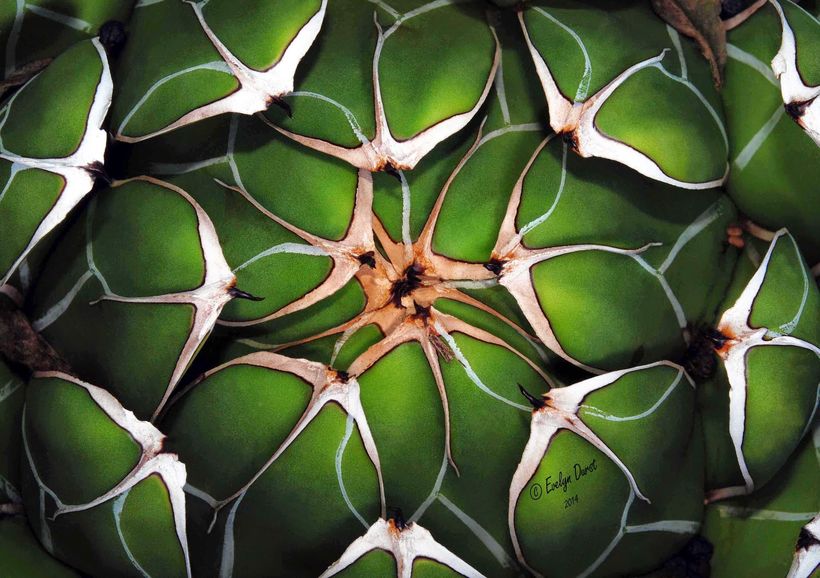
At first glance, this image may seem abstract, a composition of luminous greens, flowing curves, and delicate lines. Only after a closer look does its subject reveal itself: the inner leaves of a cabbage, transformed by light into a landscape of textures and patterns.
Read the full article
This is what fascinates me most about botanical photography. The ordinary becomes extraordinary when we take the time to look beyond what we expect to see.
By photographing the cabbage from within, with light passing through the leaves, the plant reveals an entirely different identity. The veins become a complex network of natural architecture, the overlapping leaves create depth and movement, and the subtle variations in green remind us that nature rarely relies on a single colour.
Rather than documenting the vegetable as we know it, the image invites us to appreciate its hidden design. The curled edges resemble waves, the translucent tissue appears almost fabric-like, and the glowing light transforms a common kitchen ingredient into something sculptural and unexpected.
I am particularly drawn to these overlooked details. While flowers often receive most of our attention, every part of a plant has its own character, geometry, and story to tell. A cabbage leaf can be just as captivating as an exotic orchid when viewed from the right perspective.
Photography allows us to slow down and examine what is usually ignored. It encourages curiosity, challenges perception, and reminds us that beauty often exists in places we rarely think to look.
This photograph is a perfect example of how changing the direction of light, and the direction of our attention, can completely transform the familiar into something surprising.
Perhaps the next time you prepare a simple cabbage, you'll pause for a moment and wonder what remarkable world is hidden beneath its leaves.

